The VDIP1 USB host controller is a worthwhile extension module for anyone working with the Arduino microcontroller. The ability to integrate USB inputs/outputs with your Arduino microcontroller means that you can interface it with practically any USB device, creating even more exciting possibilities with Arduino. Another valuable integration feature that the module can provide is the ability to increase Arduino’s memory capacity using any USB memory drive.
Cupping Time by Adi Marom and Jason Safir
Interactive Memory Box
The box, fashioned from wood salvaged from the home where I grew up, holds and preserves memories from my youth.
Memory Box reveals the recollections I have from my childhood through an interactive memory box. The memory box gives the user the ability to discover my childhood past through a montage of personal photographs, depicting images of my youth and significant others in my life. By utilizing these historic images as miniature push button switches, distinctive sounds and LED lights promptly respond to the user’s input. These animated responses reflect my own personal impression of the selected images based on my memories of them.
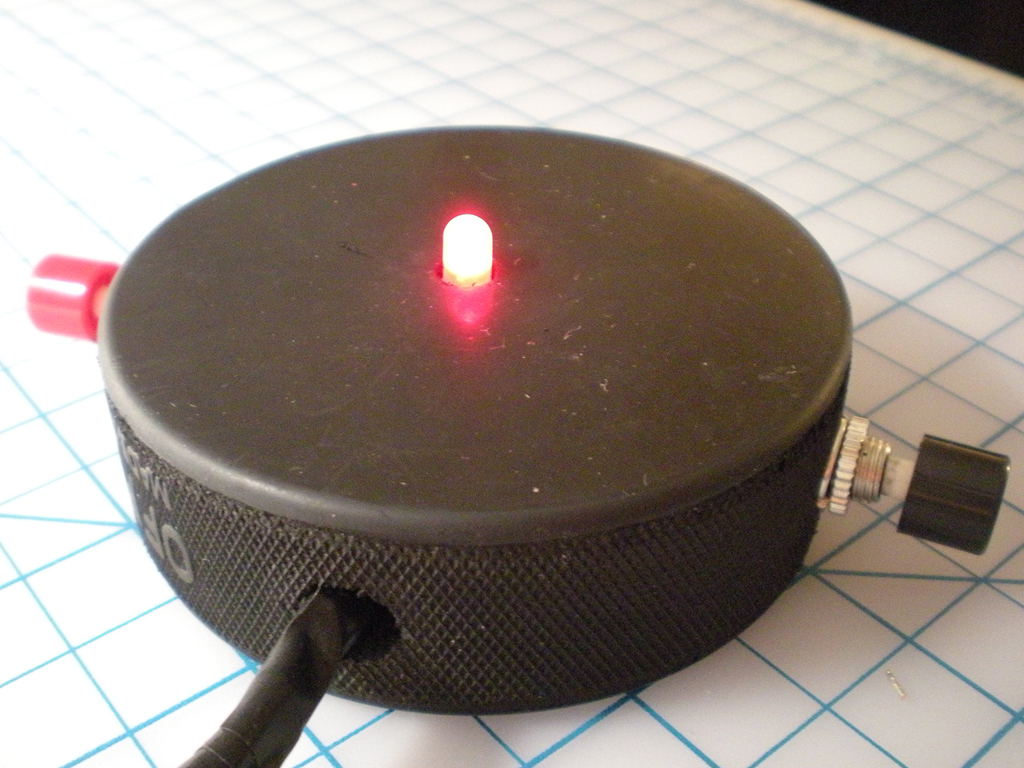
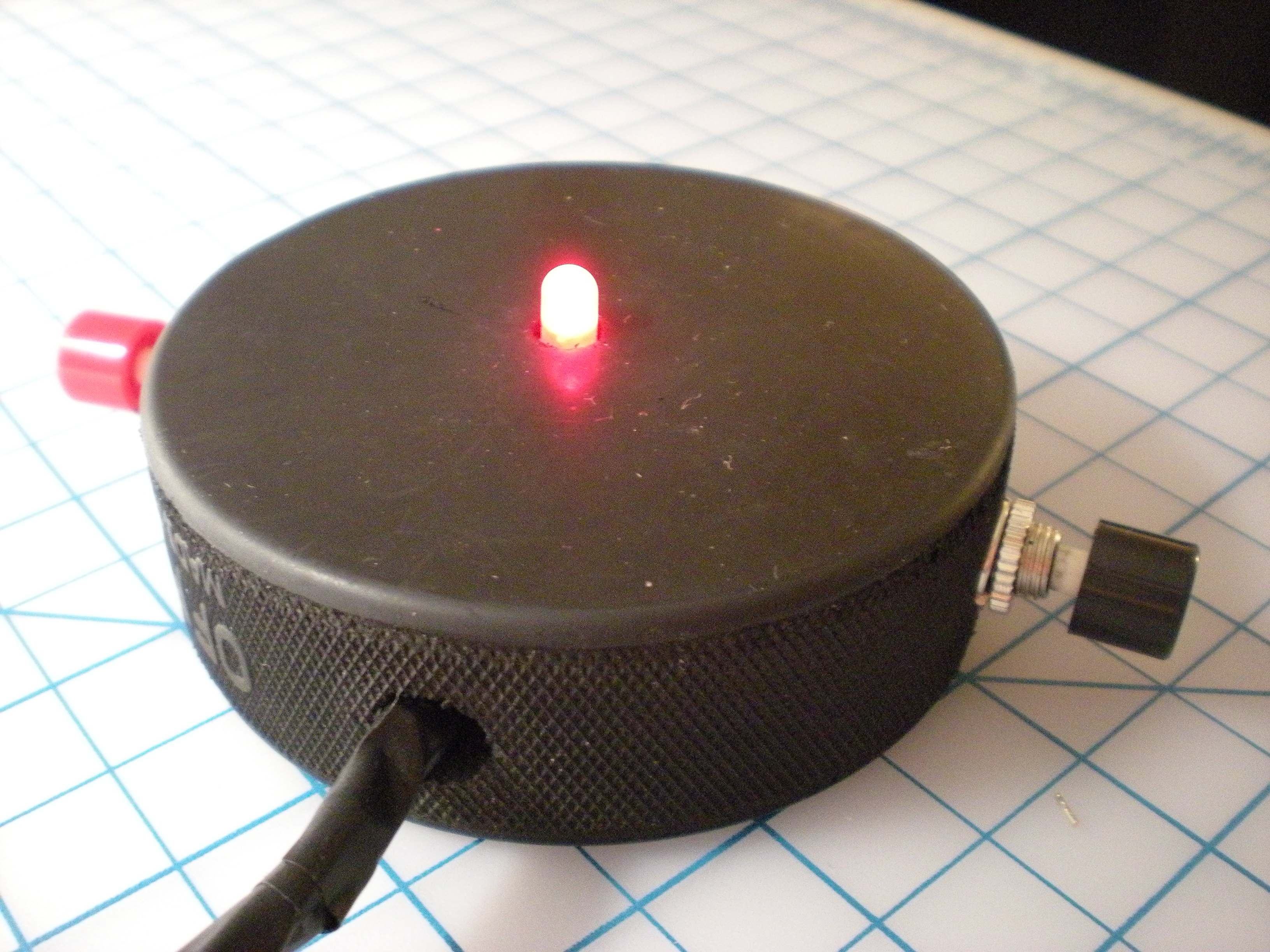
Hockey Puck Pong Controller
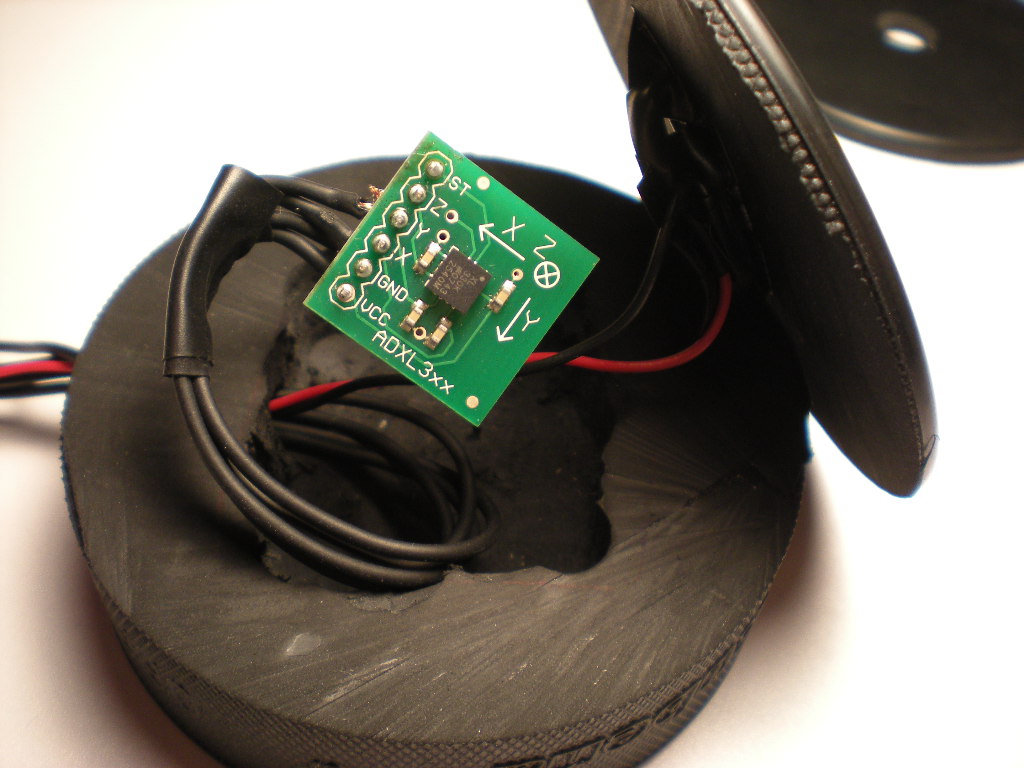
A hockey puck can be an engaging networked object. For the second assignment in my Networked Objects class, students were asked to develop intriguing input devices for a networked pong game using the WIZnet module. I took this opportunity to get my feet wet by beginning to play with some of the materials and technology I will be using for my final project which will be a virtual floor hockey game involving hockey pucks and sticks that communicate over a network (details on this concept will be posted in the coming weeks). The initial idea for the functionality of the pong controller was to insert a wheel potentiometer into the center of the base of the hockey puck to detect whether the object is moving left or right. This did not work out as planned since the puck can only move in a certain angle in order for the movement to be processed serially. As a contingency plan for this week, I inserted two push button switches at the sides of the puck which act as targets for the user and the hockey stick. The result was an engaging aesthetic that I am pleased with. While admittedly this is not an effective interface design for a networked pong game if a hockey stick were to be used, I believe it is a productive start in establishing my goal to convert hockey pucks into networked objects.
Jaw-Dropping Statistics
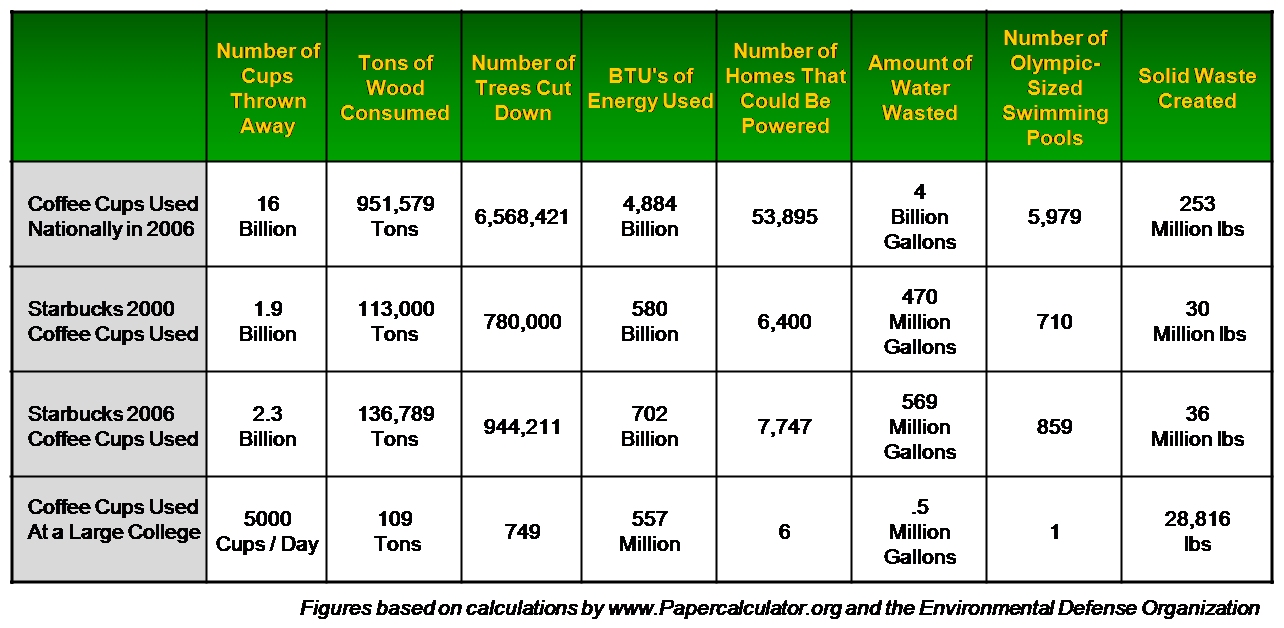
For inspiration to help develop an idea for a semester long project, my Mainstreaming Information class was asked to present three examples of “jaw-dropping” statistics that highlight a particularly surprising situation or trend. I think much can be said about the following shocking data that affect our planet both environmentally and socially:
The Basic Problem with Coffee Cups
How often do we lie to others?
How much shower water does one person consume in a week?
Stir it Up!
This was a physical computing improvisation assignment I did for my Networked Objects class. The idea was to be able to control a video by stirring a coffee mug. Random, huh? We do very weird things with technology at ITP.
Little Orlando
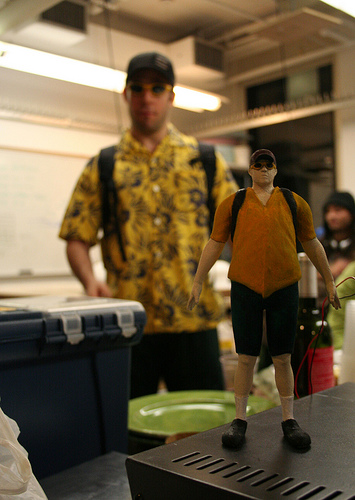
Little Orlando is a toy doll that was inspired from the main character I used in my interactive video project He Don’t Got Game. The 3D character, Orlando Florida, was modeled using Maya and was then printed using a Z Corp rapid prototyping machine. In upcoming projects, I plan to use the 3D character in stop motion animations and as well build him into an electronic voodoo toy.
The Joy of Technology
The Joy of Technology is a playful video installation that uses both humor and drama to emphasize our intimate relationship with technology. The satirical character inside the cardboard television set responds to the user’s operation of technology. An electronic razor grows hairs on his face, a pencil sharpener rotates him and tears his shirt, a stapler pokes staples onto his forehead and leaves shatters all over the television glass, and a blow-dryer rotates the screen. All these actions affect the character’s overall appearance once all the technologies are shut off. In addition, the character can also be placed into different settings by turning the television’s rotating knob. Some of the programming that the character is placed into includes a news broadcast, a courtroom and outdoor settings.
Modern Living
Modern Living is a series of fifteen television parodies that mock various perspectives of television culture
The five-minute compilation pokes fun at our TV-addicted age by presenting a variety of imitated television programming and advertisements. These segments center around issues and themes that is relevant in our modern times including mass-consumption, obsession with stardom and ubiquitous technology. Each parody is presented with the same recognizable character throughout, who is placed in different mediated contexts. The performer also acts as the viewer of his own programming, revealing a perspective of television we don’t see when sitting on our couch.
Modern Living advances on my continuous interest in mocking television culture. These parodies are meaningful to me because they reveal the deceptiveness behind media corporations in a fun and creative way. The work also illustrates the damaging effects television can place on a viewer’s impression of the world.